Communications Manager Kyla Merwin recommends The Kite Runner by Khaled Hosseini.
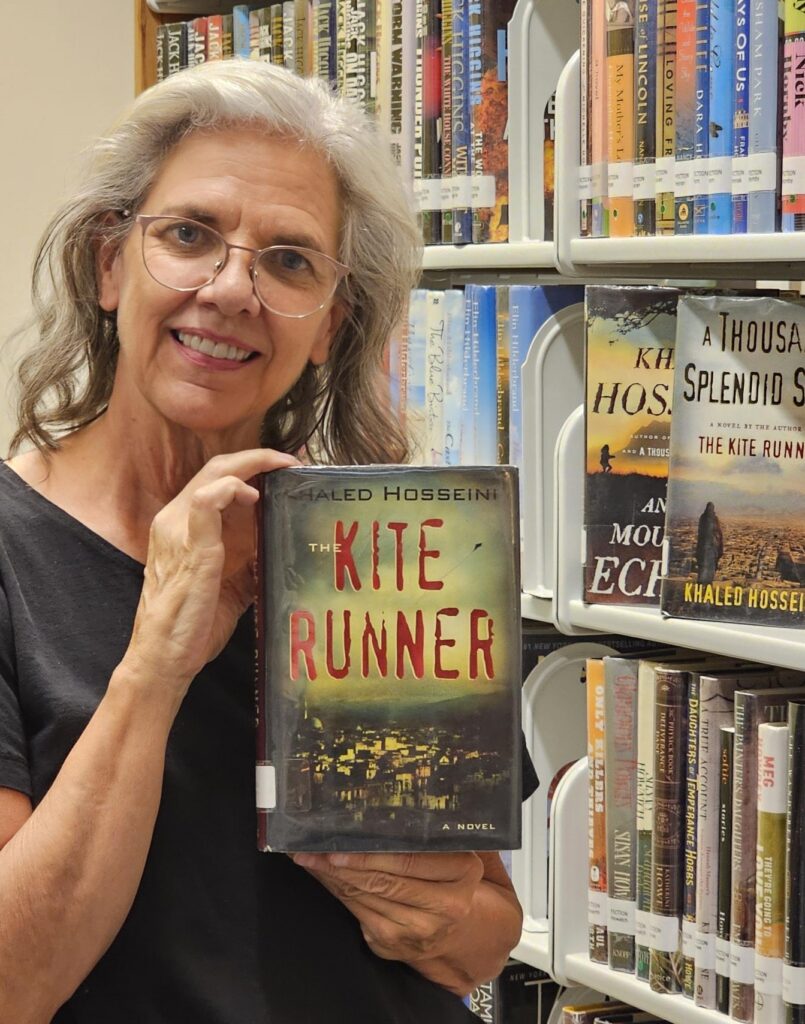
Of the zillion books I’ve read – from Go Spot Go to my current obsession, The Myth of Sisyphus by Albert Camus – I only closed the cover of two books with tears spilling down my cheeks.
One of them was Cold Mountain by Charles Frazier. (Spoiler alert: Inman dies at the end. I read this book twenty-five years ago, and I’m still upset about it.)
The other was The Kite Runner—a book that refuses to let go of me.
Set against Afghanistan’s tumultuous transformation from a peaceful monarchy to Taliban rule, the novel follows Amir, the privileged son of a wealthy businessman, and Hassan, the devoted son of his father’s servant.
A single act of betrayal fractures their friendship, sending Amir on a lifelong search for redemption.
Amir is neither hero nor villain but painfully human, driven by fear and a desperate need for his father’s approval. His moral failures are difficult to witness precisely because they feel so believable.
Though the novel’s themes remain strikingly relevant today, Hosseini zooms in on one deeply personal story—a story that speaks to universal questions about loyalty, betrayal, and second chances.
The Kite Runner reminds us that while we cannot rewrite the past, we can choose what kind of person we become because of it.
Note: The Kite Runner is the featured selection for our October 7, 2026, Book Club discussion, which coincides with Banned Books Week—celebrating the freedom to read and raising awareness about the harms of censorship. The Kite Runner is frequently challenged and banned for its graphic depiction of sexual violence (there is one particularly difficult scene, so be prepared).
The Book Club gathers in the Library’s Program Studio near the Children’s entrance. A free film screening of The Kite Runner film(2007)will air in the Lecture Hall on October 6. Marc Forster’s 2007 film adaptation faithfully captures the novel’s emotional arc. The vivid cinematography recreates Kabul before and after war, and the kite-flying scenes retain their breathtaking symbolism of innocence, freedom, and loss.